A royal altar that has endured for over six centuries, this must-visit now re-emerges in the modern era with diverse and profound cultural significance
If we place these meetings within a broader historical context, one thing becomes clear: China-U.S.cooperation brings both bilateral and global benefits, and confrontation takes a toll on both countries and the world at large. This is not mere rhetoric but a lesson repeatedly proven through the history of interactions between the two countries
Russian President Vladimir Putin's upcoming visit to China is widely expected to elevate bilateral relations further and inject much-needed stability and positive momentum into a turbulent world
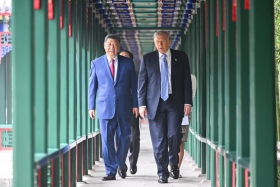
The mid-May meetings between U.S. President Donald Trump and Chinese President Xi Jinping were an important moment in the broader history of U.S.-China relations
Analysts agreed that the visit was not designed to eliminate all structural differences between the two sides, but to set clear guardrails for competition, resume effective communication channels and guide the overall course of China-U.S. relations amid uncertainties
The regulation that came into effect on February 1 calls for targeted support for reading initiatives in rural areas, ethnic minority regions, border areas and less-developed regions, as well as improved access to reading for minors, people with disabilities and the elderly.
The summit between Chinese President Xi Jinping and U.S. President Donald Trump from May 13 to May 15 in Beijing took place at a moment of profound transformation in the international system. Officially, the discussions focused on trade relations, export controls, technology restrictions, and the broader stabilization of bilateral ties. Yet the geopolitical context surrounding the meeting is far more consequential than the formal agenda itself